
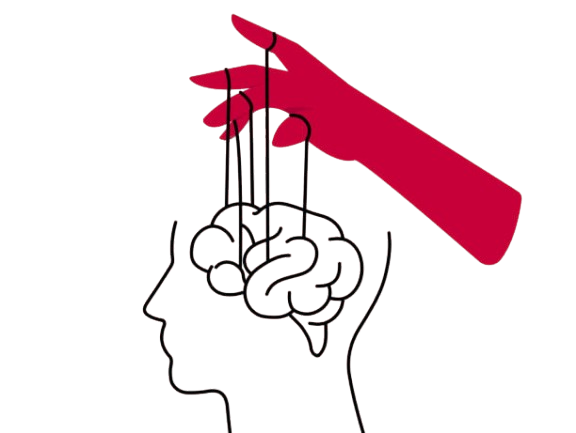
Psychological abuse doesn’t leave visible scars—but its impact runs deep, often altering the very way your brain works. Whether it comes from a partner, parent, boss, or anyone in a position of power, emotional abuse chips away at your sense of reality, safety, and self-worth.
The truth is: your brain is physically and chemically affected by chronic psychological abuse. Understanding these changes can help validate your experience, reduce self-blame, and point you toward healing.
What Is Psychological Abuse?
Psychological (or emotional) abuse involves patterns of manipulation, control, belittling, gaslighting, intimidation, and isolation. Unlike physical abuse, it’s subtle and insidious. Victims may not even realize they’re being abused—until their mental health begins to deteriorate.
Common forms include:
· Constant criticism or humiliation
· Gaslighting (making you doubt your own reality)
· Withholding affection or approval
· Threats and guilt-tripping
· Controlling your time, choices, or relationships
Over time, this kind of abuse rewires your brain to survive, not thrive.
How Psychological Abuse Affects Your Brain
Here are some of the most significant neurological and psychological impacts of long-term emotional abuse:
1. The Amygdala: On High Alert
The amygdala is your brain’s fear center. In an abusive environment, it becomes hyperactive, constantly scanning for danger.
· You become hypervigilant—even when the threat is gone.
· Your brain starts to overreact to perceived conflict or criticism.
· Everyday interactions can feel threatening or anxiety-inducing.
2. The Prefrontal Cortex: Decision-Making Declines
The prefrontal cortex handles reasoning, judgment, and impulse control. Chronic abuse disrupts its function.
· You may feel “foggy,” indecisive, or unable to trust your own judgment.
· It becomes harder to plan, problem-solve, or see situations clearly.
· You might second-guess everything—even your own feelings.
3. The Hippocampus: Memory Gets Foggy
The hippocampus, which manages memory and learning, shrinks under prolonged stress.
· You might struggle with short-term memory or recalling details.
· Gaslighting only worsens this, making you doubt what you remember.
· You may feel like your brain just doesn’t “work” the way it used to.
4. The HPA Axis: Stuck in Survival Mode
The hypothalamic-pituitary-adrenal (HPA) axis controls your stress response. In abusive environments, it becomes dysregulated.
· Your body floods with cortisol (the stress hormone), sometimes daily.
· This can lead to anxiety, depression, fatigue, sleep problems, and illness.
· You might feel “numb,” disconnected, or always on edge.
Why You Might Feel “Broken” (But You’re Not!)
People in emotionally abusive situations often blame themselves: “Why can’t I think clearly?” “Why do I stay?” “Why do I feel so anxious and lost?” The answer isn’t weakness—it’s neurobiology. Your brain is reacting exactly the way it’s designed to under chronic stress and threat. This is trauma. This is real.
Can the Brain Heal After Psychological Abuse? Yes! The brain is neuroplastic—it can adapt and rewire itself with time, safety, and support. Recovery is possible.
Ways to begin healing:
· Journaling to reconnect with your voice and identity
· Mindfulness and nervous system regulation (breathwork, grounding, yoga)
· Supportive relationships that feel safe, seen, and validating
· Rest, nutrition, and body care—because healing is physical too
· Starting therapy with a therapist trained in psychological abuse recovery
You don’t need to rush. You just need to know this: You’re not crazy. You’re not alone. And your brain can heal. Psychological abuse isn’t “just emotional.” It changes how your brain works, how you see the world, and how you see yourself. But those changes are not permanent. With the right support, your brain can relearn safety, rebuild trust, and return to clarity and calm. What was damaged can be restored.
You deserve that healing. And you’re not broken—you’re surviving.
Click HERE to schedule an appointment and start your journey towards healing from psychological abuse!