
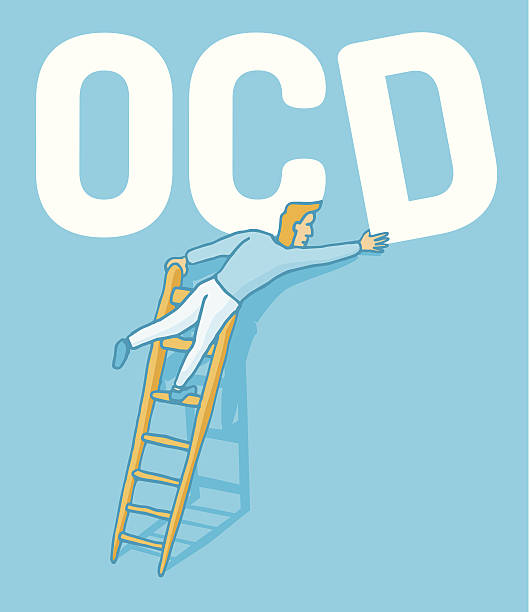
Obsessive-Compulsive Disorder (OCD) is often misunderstood. Many people think it’s just about being neat, liking things a certain way, or fear of germs. But OCD is far more complex and varied. It can look very different depending on the person.
What Is OCD?
OCD is an anxiety disorder characterized by obsessions (intrusive, unwanted thoughts, images, or urges) and compulsions (repetitive behaviors or mental acts performed to reduce the distress caused by obsessions). People with OCD often feel trapped in cycles of fear and ritual, which can severely impact their daily life.
Common Types of OCD
1. CONTAMINATION OCD
· Obsessions: Fear of germs, dirt, illness, or contamination
· Compulsions: Excessive washing, cleaning, avoiding certain places or people
This is one of the most widely recognized forms of OCD. The fear is about getting sick or spreading germs, leading to compulsive cleaning or avoidance behaviors.
2. CHECKING OCD
· Obsessions: Fear of causing harm by forgetting to do something (e.g., locking doors, turning off appliances)
· Compulsions: Repeatedly checking locks, stoves, appliances, or safety measures
The compulsions aim to prevent feared accidents or disasters, but the reassurance is only temporary, leading to endless checking.
3. Pure O (Primarily Obsessional OCD)
· Obsessions: Intrusive, distressing thoughts without obvious compulsions
· Compulsions: Mental rituals like rumination, silent repeating, counting, or reassurance seeking
Despite the name “Pure O,” compulsions are still present but often mental rather than physical. These obsessions often involve taboo or violent thoughts, causing intense anxiety.
4. SYMMETRY AND ORDERING OCD
· Obsessions: Need for things to feel “just right” or symmetrical
· Compulsions: Arranging, ordering, counting, or repeating actions until the feeling is “perfect”
This type involves discomfort with disorder or asymmetry, leading to time-consuming rituals.
5. HARM OCD
· Obsessions: Fear of harming oneself or others unintentionally
· Compulsions: Avoidance, mental reviewing of actions, seeking reassurance, or neutralizing thoughts with opposite actions
People with harm OCD are often terrified of their own thoughts, even though they have no intention of acting on them.
6. RELIGIOUS or “SCRUPULOSITY” OCD
· Obsessions: Fear of moral or religious transgressions, sinning, or blasphemy
· Compulsions: Excessive praying, confessing, seeking forgiveness, or mental reviewing of thoughts and actions
This form is rooted in excessive concern about religious or moral correctness.
Why Does Understanding the Type Matter?
OCD looks different for everyone, and understanding your type can:
· Help you find the right treatment approach
· Reduce shame by knowing you’re not “weird” or alone
· Guide therapists in targeting your specific obsessions and compulsions
· Improve coping strategies tailored to your experience
Treatment Approaches for All Types
· Inference-Based CBT (I-CBT): Useful for all types of OCD by targeting obsessive doubts.
· Exposure and Response Prevention (ERP): The gold standard, involves gradually facing fears without performing compulsions.
· Cognitive Behavioral Therapy (CBT): Focuses on changing thought patterns that fuel OCD.
· Medication: SSRIs can help manage symptoms.
· Support Groups: Connecting with others who understand can reduce isolation.
OCD is a complex, multifaceted disorder with many faces. If you or a loved one struggle with obsessive thoughts or compulsive behaviors, know that help is available—and recovery is possible. Understanding your unique OCD experience is the first step to reclaiming your life.
Click HERE to schedule an appointment and start your journey towards healing from OCD!